



Learn how to layer smartly for winter with practical tips on choosing the right base layers, outerwear, scarves, and accessories that keep you warm without losing your personal style.

Winter dressing often comes down to a simple trade-off: comfort or style. But with the right approach to layering, you do not have to choose one over the other. The key is knowing which pieces to layer, in what order, and how to balance warmth with proportion so the final look feels put together rather than bulky.
Whether you are dressing for cold commutes, weekend outings, or everyday errands, this guide will help you build a winter wardrobe that keeps you warm while still feeling like you.
What to Consider Before You Start Layering
Start with the temperature range you actually deal with day to day, not just the coldest day of the year. This helps you avoid over-layering on milder days and under-dressing on colder ones.
Think about how many hours you will spend outdoors versus indoors, since heated spaces change how many layers you need. It also helps to consider mobility. If your day involves walking, commuting, or running errands, you will want layers that move with you rather than restrict you.
Building the Right Base Layer
Your base layer sets the tone for everything you wear on top of it, so fit matters more here than anywhere else. A soft, well-fitted thermal knit works better than an oversized sweater because it traps warmth close to the body without adding unnecessary bulk.
Choosing a base layer in a richer color, such as rust, deep green, or burnt orange, also means it can double as a visible layer on its own, not just something hidden under a coat.
Choosing Outerwear That Works With Your Layers
Outerwear should be chosen based on what is underneath it, not the other way around. If your base and mid-layers already add some bulk, look for a coat with a slightly more relaxed cut so the layers do not feel restrictive.

Structured coats pair well with fitted knits for a polished look, while an oversized cardigan works better over simpler, slimmer pieces. Letting a bit of each layer peek out, whether it is a sleeve, a collar, or a hemline, helps the outfit look intentional rather than accidental.
Accessorizing for Warmth and Style
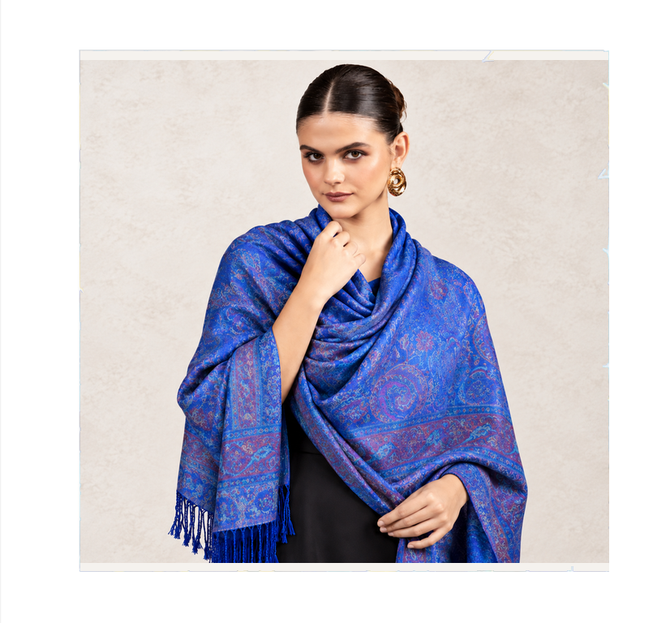
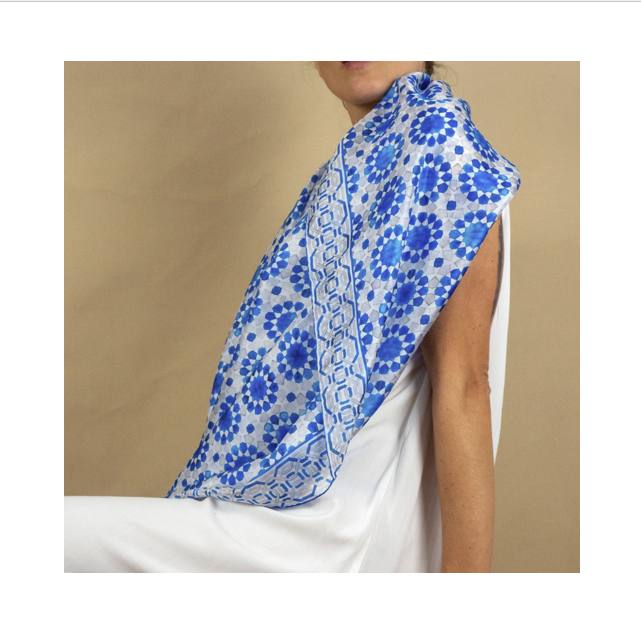
Accessories are often the easiest way to add both function and style to a winter outfit. A scarf adds warmth around the neck while also introducing color and texture to an otherwise simple look. It can be worn loose for a relaxed feel or knotted for something more polished.
A beanie is another practical addition, especially on colder mornings. A soft knit style in a neutral tone works with most outfits and adds a finished look without requiring much effort.
Winter Layering Essentials at a Glance
- Base layer: A fitted thermal knit for warmth without bulk.
- Mid layer: A cardigan or knit top that adds texture and depth.
- Outerwear: A structured coat or relaxed jacket, chosen based on the layers underneath.
- Scarf: Adds warmth and a pop of color or texture around the neck.
- Beanie: A practical, easy way to stay warm on colder days.
Final Tips Before You Layer Up
Before finalizing your winter outfit, ask yourself:
- Will I be comfortable in these layers for several hours?
- Can I move easily, especially if I am walking or commuting?
- Do my layers work together in color and texture, or do they compete?
- Is my outerwear cut generously enough to fit over everything underneath?
A well-layered winter outfit should feel effortless to wear, not like extra work every morning. Start with a solid base, choose outerwear that complements it, and let accessories like scarves and beanies do the rest.
Shop Winter Wear for Layering
Explore our Thermal Knits collection for base layers that pair easily with your existing wardrobe, browse Winter Wear for outerwear and mid-layer pieces, and complete your look with our Scarves, Wraps & Shawls and Beanies collections
Frequently Asked Questions
What counts as winter wear for women?
Winter wear typically includes sweaters, thermal knits, cardigans, coats, jackets, and other insulated pieces designed to keep you warm in cold weather while still working as everyday outfits.
What is the warmest type of winter clothing for women?
Wool and cable-knit sweaters, thermal-lined tops, and structured coats tend to offer the best warmth. Layering a thin thermal base under a heavier sweater or coat adds extra insulation without bulk.
What should I wear in winter if I get cold easily?
Start with a fitted thermal or knit base layer, add a mid layer like a cardigan or sweater, and finish with a coat sized to fit comfortably over both. Accessories like scarves and beanies help retain heat around the neck and head.
Is winter wear only for extreme cold, or can I wear it in mild winters?
Winter wear works for both. Lighter knits and cardigans suit milder winters, while heavier sweaters and coats are better for colder climates or peak winter months.
What's a versatile winter wear piece that works for both casual and dressy occasions?
A well-fitted knit sweater or cardigan is usually the most versatile. It can be dressed up with trousers and boots or kept casual with jeans.
How do I choose the right size in winter wear if I plan to layer underneath it?
Check the fit guide and consider sizing up slightly if you plan to wear a base layer underneath, especially for sweaters and coats meant to sit close to the body.


